
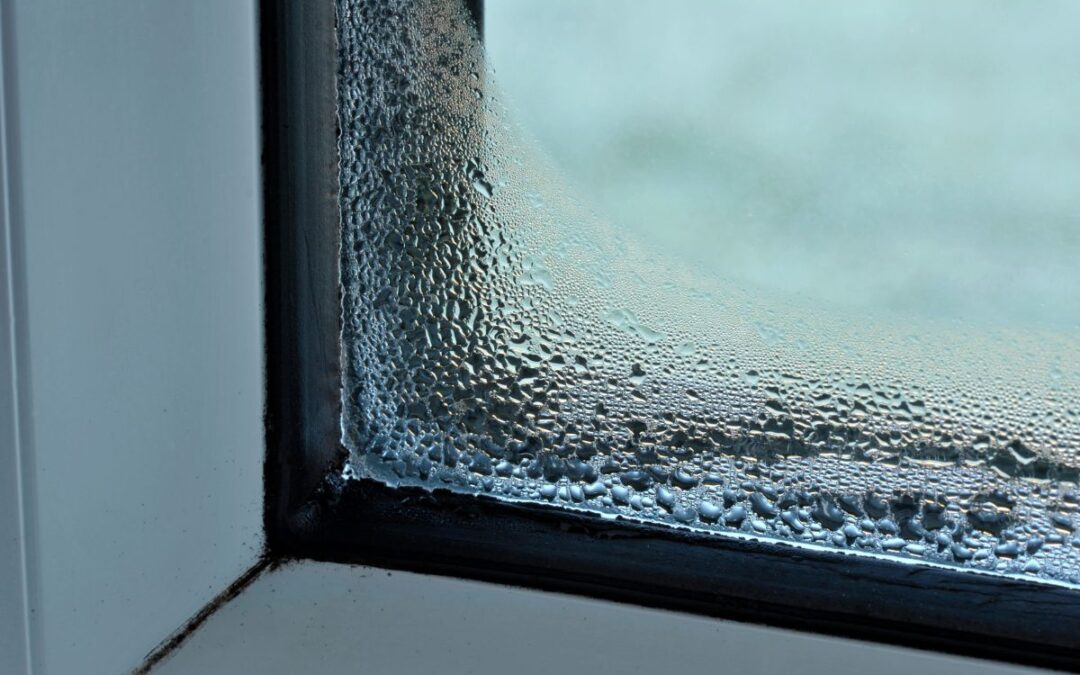
When winter arrives in Minnesota, many homeowners begin to notice moisture forming on the inside of their windows. While it can be concerning to see water droplets, fogging, or frost buildup, condensation is a common cold-weather occurrence — and it doesn’t always mean there’s a problem with your windows. Understanding why condensation forms and what you can do about it can help you protect your home, improve comfort, and make informed decisions about upgrading your windows and doors.
Why Window Condensation Happens
Condensation occurs when warm, humid indoor air comes into contact with a cold surface, such as a windowpane. The greater the temperature difference, the more likely condensation will form. During Minnesota winters, homes are heated, sealed tightly, and exposed to extreme outdoor temperatures, creating ideal conditions for moisture buildup. Common causes include:
- High indoor humidity levels
- Inadequate ventilation
- Older or drafty windows
- Low indoor air circulation
- Window coverings that trap moisture
While it may seem like a window issue, condensation often tells you more about the air inside your home than the performance of the glass.
Types of Condensation and What They Mean
- Interior Condensation – This is the most common type and usually indicates excess indoor humidity. Activities such as cooking, showering, laundry, and even breathing contribute to moisture levels.
- Between-the-Glass Condensation – If condensation appears between panes of glass, it may indicate a failed seal, which reduces insulating performance. This is a sign that replacement should be considered.
- Exterior Condensation – Exterior moisture can occur on highly efficient windows when warm outdoor air meets a cooler window surface. This is normal and actually indicates good insulation performance.
How to Reduce Indoor Window Condensation
There are several steps homeowners can take to manage humidity and limit moisture buildup:
- Use kitchen and bathroom ventilation fans
- Open blinds and curtains to improve airflow
- Run a dehumidifier during peak moisture periods
- Keep furniture and décor from blocking air movement
- Ensure proper attic and home ventilation
- Maintain consistent indoor heating
Upgrading old windows can also help regulate interior temperatures and minimize condensation by improving insulation and reducing cold surface contact.
The Role of Energy-Efficient Windows
As an Andersen Certified Contractor, Great Plains Windows & Doors installs high-performance windows designed for Minnesota’s climate. Energy-efficient glass, insulated frames, and advanced sealing systems help reduce temperature transfer and maintain a warmer interior glass surface, which helps limit condensation while improving comfort and energy efficiency.
When to Consider Window Replacement
You may want to explore replacement options if you notice:
- Persistent drafts
- Increasing energy bills
- Difficulty opening or closing windows
- Condensation between glass panes
- Visible frame deterioration
Modern windows not only improve comfort, they enhance curb appeal, reduce noise, and increase home value.
Stay Warm, Clear, and Comfortable This Winter
Condensation is a natural part of winter living, but you don’t have to settle for cold drafts or foggy glass. Whether you need guidance on managing indoor humidity or are considering upgrading to more efficient windows and doors, we are here to help.
Contact Great Plains Windows & Doors to schedule a consultation and learn how the right windows can keep your home comfortable all season long.
More about Understanding Window Condensation -> https://greatplainswindows.com/understanding-window-condensation-early-winter/