
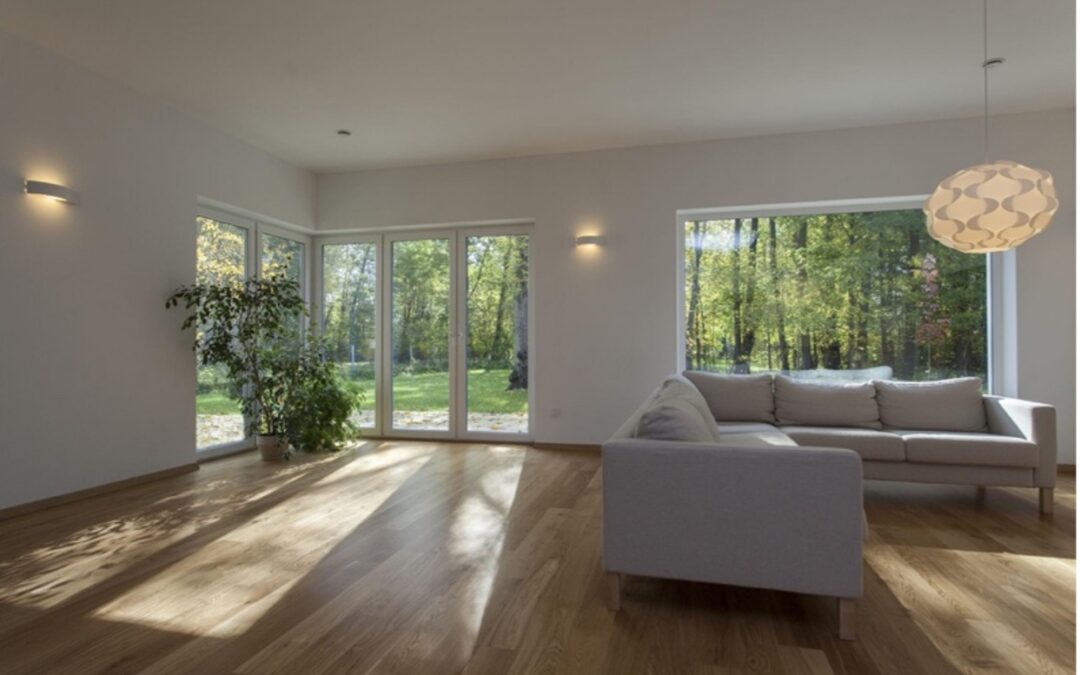
Days are getting longer and the sun gets stronger, so many homeowners start to notice the effects of increased sunlight inside their homes. While natural light is a major benefit of well-placed windows, it also comes with something less visible — ultraviolet (UV) exposure.
Modern windows are designed to help manage this, but not all windows perform the same.
What Is UV Protection in Windows?
UV rays are a form of invisible radiation from the sun. Over time, they can affect both your home and your comfort.
Modern windows often include Low-E (low-emissivity) glass coatings that are designed to reduce the amount of UV light that passes through the glass while still allowing natural light in.
This helps create a more balanced indoor environment without darkening your space.
Why UV Protection Matters
While UV exposure may not be noticeable day to day, the long-term effects can add up.
Without proper protection, UV rays can:
• Cause fading in flooring, furniture, and fabrics
• Increase indoor heat gain during warmer months
• Contribute to inconsistent temperatures near windows
Over time, these small impacts can affect both comfort and the condition of your home’s interior.
Not All Windows Perform the Same
Older windows or lower-performing products may not offer the same level of UV protection as newer systems.
Advancements in glass technology allow modern windows to:
• Filter out a significant portion of UV rays
• Maintain clarity and natural light
• Improve overall energy performance
It’s not just about the glass itself — the full window system and installation also play a role.
A Balanced Approach to Natural Light
The goal isn’t to block out sunlight — it’s to manage it.
Well-designed windows allow you to enjoy natural light while reducing the downsides that come with prolonged exposure.
When to Consider an Upgrade
If you’re noticing fading materials, increased heat near windows, or uneven comfort levels, it may be worth evaluating how your current windows are performing.
At Great Plains Windows & Doors, we focus on helping homeowners understand their options and make practical decisions based on how their home is actually functioning — not just trends or assumptions.